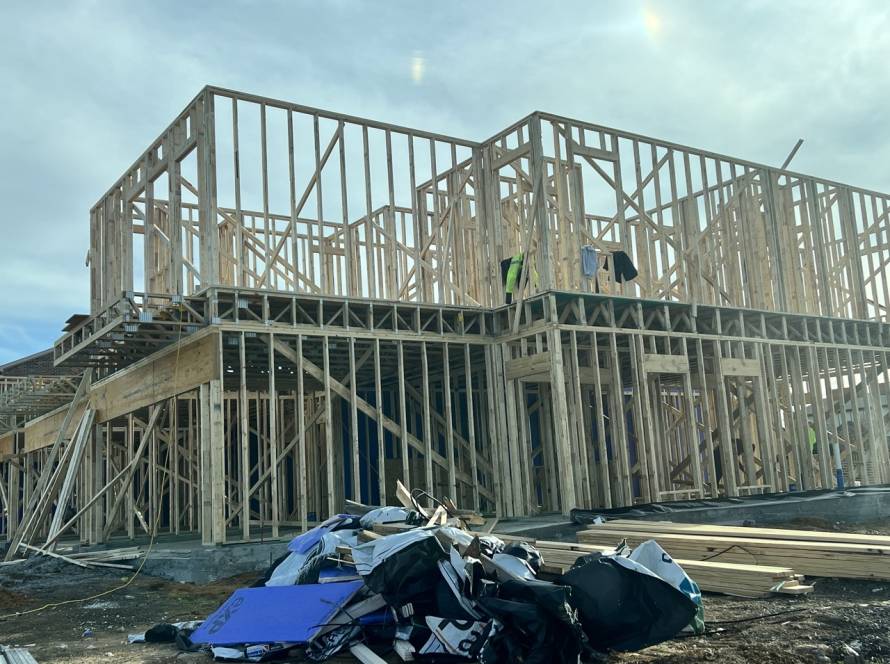


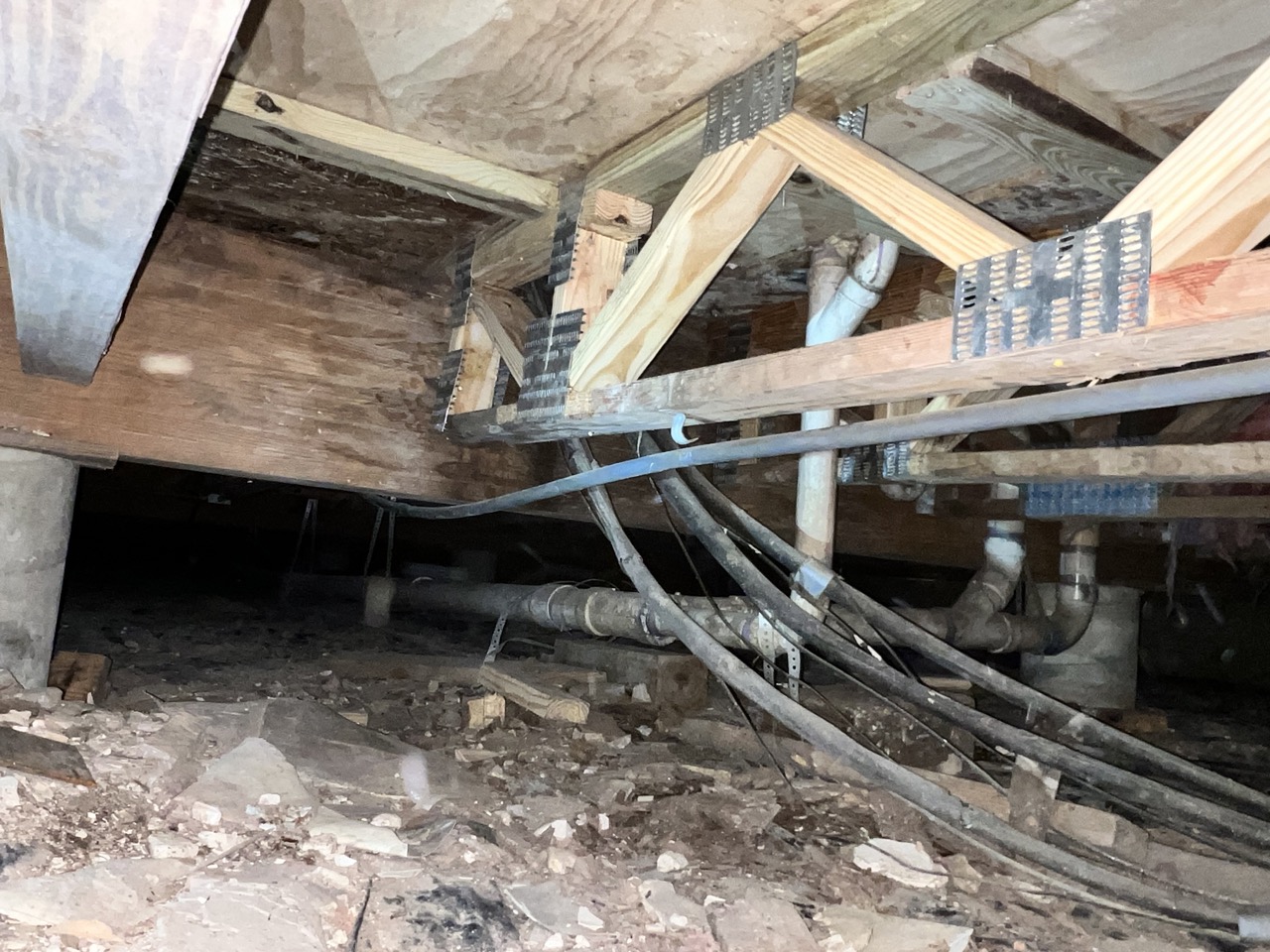
You’re standing in the middle of a construction site, staring at a maze of beams, studs, and joists. The blueprint looks like it’s written in a secret code. The contractor’s asking about load-bearing walls. And you’re thinking, “Wait… do I need a framing engineer for this?”
Short answer? Probably. But don’t worry—you’re not alone in asking this question. Whether building a new home, adding a second story, or removing a wall, it’s not always obvious when to call a structural expert. That’s what this article is here for.
Success Box
You need a framing engineer when:
- You’re altering or removing a load-bearing wall
- You’re adding floors, decks, or large windows
- Your design is more “creative” than standard
- The city requires stamped structural plans
- You want to sleep better at night
In this post, we’ll walk through exactly what a framing engineer does, when they’re legally required, and when you can probably skip the call. We’ll also break down common scenarios with a simple table, answer a few burning questions, and ensure you walk away confident.
What Does A Framing Engineer Do?
A framing engineer is like the backstage tech crew of your building project. You won’t always see their work, but everything stands (and stays standing) because of them.
They ensure your structure’s bones—walls, beams, columns, floor systems—can handle the load. Live load (people, furniture, snow), dead load (materials, roof weight), wind load, seismic—you name it, they calculate it.
If the architect makes it look good, the framing engineer ensures it works.
Fact Box: Framing engineers are structural engineers specializing in how framing systems carry loads and resist forces.
When Do You Need One?
Let’s break it down with some real-life situations. If you’re doing the following, stop and ask: “Where’s my framing engineer?”
1. Removing Or Moving Walls
This is the #1 scenario where people get it wrong.
Just because a wall looks small doesn’t mean it isn’t holding up a massive chunk of your house. Even that “skinny one” between your kitchen and dining room might hold up your second floor.
Warning: Removing a load-bearing wall without proper engineering can lead to structural failure or serious injuries. It’s not worth the shortcut.
2. Adding A Second Story (Or Anything Above)
Planning to go vertical? That’s not a weekend DIY.
A framing engineer will look at your foundation, current framing, and how everything ties together to ensure your house doesn’t buckle under the new weight.
3. Opening Up Large Spaces
Want a wide-open kitchen with no columns? Planning those trendy 16-foot sliding doors for your backyard?
You’re going to need beams, and those beams need numbers behind them. A framing engineer can calculate what kind of beam you need and whether it’s steel, engineered wood, or something custom.
Quick Tip: The longer your span (open space), the deeper and stronger your beam must be. There’s math behind that magic.
4. Building In High-Risk Areas
Earthquake zones. Heavy snow zones. High wind zones. Coastal areas.
If nature’s got plans to mess with your home, your framing engineer will build a structure that can fight back.
Info: Most states have building code requirements for structures in seismic, hurricane, or high-snow areas. Engineering isn’t optional—it’s mandatory.
5. Your city requires stamped plans
Many cities and counties require “engineered drawings” for anything beyond fundamental changes. If your permit office says they need “stamped structural plans,” that’s your sign.
If you’re scratching your head thinking “What’s a stamp?” the engineer’s official approval says: I ran the numbers, and this won’t fall.
When You Don’t Need A Framing Engineer
Believe it or not, there are times when you can skip the call. Here are a few examples:
- You’re painting your walls or changing flooring
- Swapping out kitchen cabinets (no wall work)
- Adding cosmetic features like shiplap or wainscoting
- Putting up non-structural partitions
- Replacing windows (same size, same location)
If you’re not touching the bones of the structure, a framing engineer probably isn’t necessary.
Common Scenarios Table
Here’s a quick table to help you figure out when to bring in a framing engineer:
| Scenario | Do You Need a Framing Engineer? |
| Removing a load-bearing wall | Yes |
| Adding a deck | Usually yes |
| Finishing a basement (no wall changes) | Not always |
| Vaulting ceilings | Yes |
| New construction | Definitely |
| Installing skylights | Depends on the roof structure |
| Remodeling kitchen (structural changes) | Likely yes |
| Adding a second story | Yes |
| Replacing windows (same size) | No |
| Enlarging windows or doors | Yes |
How To Tell If A Wall Is Load-Bearing
Not all walls are created equal. Some just sit there, and others carry serious weight. So, how can you tell?
Here are a few signs your wall might be doing heavy lifting:
- It runs perpendicular to the ceiling joists
- It’s right below another wall on the floor above
- It’s close to the center of your home
- There’s a beam above it in the attic or basement
- Your original blueprints label it as “bearing”
Still unsure? Don’t guess. Get a structural review.
Cost Of Hiring A Framing Engineer
Now, let’s talk money. How much will this set you back?
Here’s a rough idea:
| Service | Estimated Cost |
| Basic wall removal design | $300 – $800 |
| Beam sizing and spec | $400 – $1,200 |
| Full-home framing design | $2,000 – $8,000+ |
| Site visit + letter (simple change) | $250 – $500 |
Prices vary depending on location, complexity, and how fast you need it.
Suggestion: Call a few engineers for quotes. Some will bundle design + drawings + permits. Others charge hourly. Always ask what’s included.
Do Architects And Framing Engineers Do The Same Thing?
Nope. Think of it like this:
- Architects focus on how your building looks and functions.
- Framing engineers make sure it doesn’t collapse.
They often work together. Many architects won’t submit plans to the city until they’ve been reviewed (and stamped) by a structural engineer.
What Happens If You Don’t Hire One (And Should Have)?
Worst-case scenario? Structural failure. Seriously.
Walls can sag. Floors can slope. Cracks in drywall. Stuck doors and windows. And in extreme cases, collapse.
Even if things don’t go wrong right away, skipping engineering could:
- Cause permits delays
- Fail inspections
- Lead to fines
- Hurt your home’s resale value
Danger: DIY-ing significant structural changes without engineering can void your homeowner’s insurance in case of damage.
Conclusion
So, do you need a framing engineer? If you’re making structural changes—yes. It’s not just about permits and paperwork. It’s about building something safe, solid, and long-lasting.
From new builds to remodels, framing engineers help ensure your ideas don’t become expensive mistakes.
When in doubt, make the call. It’s cheaper than a collapsed roof.
Truss Consulting Engineers is here to help when you’re ready to build smart, not just big.
FAQ
What does a framing engineer do?
They analyze and design the structure of a building to make sure it can safely support the intended loads. They deal with beams, columns, joists, and all things structural.
Can my contractor remove a wall without an engineer?
If it’s non-load-bearing and supports anything above (like a floor or roof), you will probably need engineering calculations and a permit.
Do I need a framing engineer for a remodel?
If the remodel changes the structure—like removing walls, altering floor plans, or adding weight—yes. If it’s just cosmetic, no.
How long does it take to get framing plans done?
Simple jobs might take a few days. Complex ones can take a few weeks, especially if revisions are needed for permits.
Is a framing engineer the same as a structural engineer?
They’re closely related. “Framing engineer” refers to a structural engineer specializing in wood or steel framing systems.